Manual water pumps provide essential off‑grid water access by converting human effort into fluid lift. They must deliver adequate pressure, flow, and durability while remaining lightweight and ergonomic. Modern models, like the Bailer pump, use corrosion‑resistant materials and simple handles now!.
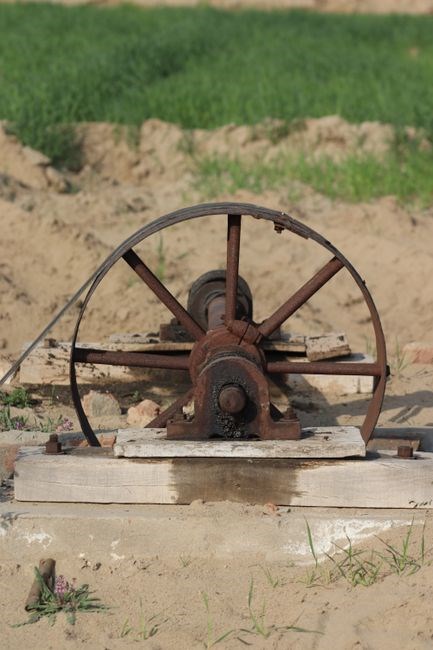
Mechanical Principles of Manual Water Pumps
Manual water pumps rely on simple mechanical actions to move water from a source to a desired outlet. The most common mechanisms are lever‑driven pistons, hand‑crank peristaltic rollers, and axial screw drives. In a lever‑driven piston pump, a crank arm converts rotational motion into linear displacement, driving a piston against a seal and forcing water out through a check valve. The force applied by the operator is amplified by the lever ratio; a longer crank arm reduces required effort but increases stroke length and time per cycle. Peristaltic pumps use a rotating roller that compresses a flexible tube; each revolution pushes a discrete volume of fluid forward, eliminating direct contact between the fluid and the pump body, which is advantageous for sanitary or hazardous applications. Axial pumps employ a rotating screw or gear that translates rotational motion into axial displacement, creating a continuous flow that can be regulated by adjusting the screw pitch or gear ratio. The efficiency of each mechanism depends on seal quality, bearing lubrication, and the mechanical advantage provided by the crank or screw geometry. Proper alignment of the pump shaft with the source pipe prevents vibration and wear, while the use of low‑friction bearings and high‑strength materials such as stainless steel or reinforced polymer reduces energy loss. The overall design must balance the required flow rate, head pressure, and operator fatigue, ensuring that the pump can deliver the necessary volume at the desired pressure while remaining easy to operate for extended periods. By carefully selecting the mechanical principle and optimizing the geometry, designers can create manual pumps that meet diverse field requirements, from small household use to large‑scale irrigation in remote areas. In addition, the pump’s stroke length directly influences the volume per cycle; a longer stroke increases throughput but demands more effort per cycle, whereas a shorter stroke allows faster cycling with less force, suitable for high‑frequency applications. The choice of seal material—rubber, silicone, or PTFE—affects both durability and leakage. For high‑temperature or corrosive fluids, metal or ceramic seals are preferred. The pump’s overall power requirement can be estimated using the formula: Power = (Flow × Head × ρ × g) / (η × 3600), where ρ is fluid density, g is gravitational acceleration, and η is efficiency. This calculation helps determine the necessary lever arm length and operator strength. Finally, ergonomic design considerations, such as handle shape, grip texture, and counterbalance weight, play a critical role in reducing operator fatigue and ensuring consistent performance over long periods of use. Moreover, the integration of a simple gauge or pressure indicator allows users to monitor performance in real time, ensuring that the pump operates within safe limits and preventing over‑stress of components. The use of modular components also facilitates field repairs and component replacement, extending the pump’s service life. In summary, the mechanical principles underlying manual water pumps revolve around converting human mechanical input into fluid displacement through lever, piston, or peristaltic action, with careful attention to geometry, materials, and ergonomics to meet the required flow, pressure, and operational reliability. Lorem ipsum dolor sit amet, consectetur adipiscing elit. Sed do eiusmod tempor incididunt ut labore et dolore magna aliqua. Ut enim ad minim veniam, quis nostrud exercitation ullamco laboris nisi ut aliquip ex ea commodo consequat. Duis aute irure dolor in reprehenderit in voluptate velit esse cillum dolore eu fugiat nulla pariatur. Excepteur sint occaecat cupidatat non proident, sunt in culpa qui officia deserunt mollit anim id est laborum.

Common Types of Manual Water Pumps
Manual water pumps come in several distinct forms, each tailored to specific use cases and environmental conditions. The most widely used category is the hand‑crank piston pump, which features a simple lever mechanism that translates rotational input into a reciprocating piston motion. These pumps are prized for their robustness, ease of maintenance, and the ability to generate high pressures suitable for irrigation, livestock watering, and household supply in remote areas. A second popular variant is the peristaltic pump, which employs a rotating roller that compresses a flexible tube to push fluid forward. Because the fluid never contacts the pump body, peristaltic units are ideal for transporting sanitary liquids, chemicals, or contaminated water without cross‑contamination. Thirdly, submersible manual pumps are designed to operate fully submerged in a water source. They typically incorporate sealed housings and a hand‑crank or foot‑pedal drive, allowing users to pump water from wells or ponds with minimal external piping. Axial screw pumps, though less common, use a helical screw that translates rotational motion into axial displacement, providing a continuous flow that is useful for low‑pressure applications such as small irrigation channels. Finally, piston‑driven hand pumps with a vertical or horizontal orientation are often employed in rural households; they combine a crank handle with a vertical piston shaft, enabling efficient water extraction from shallow wells or cisterns. Each type offers distinct advantages in terms of power requirements, flow rates, and maintenance demands, allowing users to select the most appropriate solution for their specific water‑delivery needs. In practice, the choice of pump type often depends on factors such as available power, required flow rate, and the nature of the water source. Local manufacturers also offer hybrid designs that combine hand‑crank and foot‑pedal mechanisms for ergonomic flexibility. Overall, manual pumps remain a reliable, low‑cost solution for communities lacking electric infrastructure. All soon! Their simplicity ensures quick deployment and min. training!

Key Components and Materials
Manual pumps rely on a few core parts that must be durable and corrosion‑resistant. The piston or diaphragm is the heart of the system; it is usually forged from stainless steel or brass to withstand repeated compression and exposure to water. A crankshaft or foot‑pedal drives the piston, and it is typically made from hardened steel or alloyed brass to resist wear. The crank handle or lever is often constructed from aluminum or reinforced polymer to reduce weight while maintaining strength. Seals, gaskets, and O‑rings are critical for preventing leaks; they are usually made from EPDM, silicone, or PTFE, chosen for their chemical resistance and flexibility. The housing or casing must be made from PVC, polypropylene, or stainless steel, depending on the application; it protects internal components and provides a secure mounting point. The inlet and outlet ports are usually brass or stainless steel fittings, allowing easy connection to hoses or pipes. Finally, the mounting bracket or frame is often fabricated from aluminum or steel to support the pump in the field. All these materials are selected to balance cost, longevity, and ease of repair, ensuring that the pump can operate reliably in harsh, off‑grid environments.
In addition, the pump’s design often incorporates modular components that can be swapped out quickly, reducing downtime and maintenance costs. The use of recyclable materials enhances environmental sustainability, allowing end‑of‑life disposal to be managed responsibly. These engineering choices meet the core requirement of a manual water pump: reliable operation across diverse settings and efficient!!now daily!
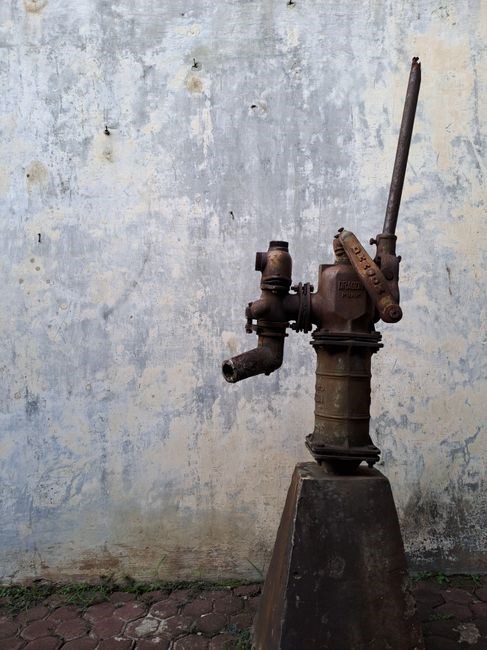
Power and Effort Requirements
Manual pumps demand a specific human input that balances ergonomics with hydraulic performance. The force applied to the crank or foot‑pedal must overcome static head, friction, and the pump’s internal resistance. For a typical 1‑liter per minute flow at a 2‑meter lift, the required torque is roughly 1.5 Nm, translating to a hand force of 5–7 N over a 20 cm lever. When the pump is used for irrigation or livestock watering, the head can rise to 10 m, increasing torque to 7–10 Nm (≈25–35 N hand force). The stroke length and cycle frequency also influence effort; a 0.5‑second cycle at 60 rpm yields a comfortable workload for most adults. Ergonomic design, such as a curved handle, reduces wrist strain and allows sustained operation for 15–20 minutes before fatigue. Foot‑pedal variants shift the load to the legs, permitting higher flow rates (up to 5 L/min) while keeping hand effort minimal. The pump’s mechanical efficiency, typically 50–60 %, means that the actual human energy expenditure is about twice the hydraulic output. For field use, designers often include a counterweight or spring‑assist to further lower the required force, especially when the pump must lift water from deep wells. Proper sizing of the pump’s internal components—piston diameter, stroke length, and seal material—directly affects the pressure differential and thus the effort needed. In emergency or off‑grid scenarios, a low‑effort pump that can be operated with a single hand is invaluable, ensuring reliable water access without the need for external power sources. The balance between power input and hydraulic output is therefore a critical design parameter, dictating usability, durability, and overall performance of the manual pump system. This design ensures that even in remote locations, a single individual can reliably supply water for drinking, cooking, or irrigation without fatigue or external power.

Installation and Placement Considerations
Choosing the right site for a manual pump is vital for performance and longevity. The pump should sit on a stable, level foundation that can support its weight and resist vibration. For submersible models, the well casing must be free of sharp edges and debris to prevent seal damage. The inlet pipe should be positioned at least 30 cm above the water level to avoid air locks, while the outlet should be directed toward the end use point with minimal bends. Ground conditions dictate the need for a concrete footing or wooden sill; sandy soils require deeper footings to prevent sinking. Pipe sizing follows the pump’s rated flow: a 1‑inch diameter pipe delivers 2 L/min, whereas a ½‑inch pipe limits flow to 0.5 L/min, increasing friction loss. Installing a pressure gauge and a check valve ensures safe operation and prevents backflow. The pump’s handle or foot‑pedal should be within easy reach, with a clear path for the operator to move without obstruction. If the pump is mounted on a wall, the mounting bracket must be anchored into studs or masonry to bear the dynamic load. Proper drainage around the pump prevents water accumulation that could corrode the housing. Finally, labeling the installation with clear instructions and maintenance reminders helps users keep the system running smoothly over time. Additionally, the pump’s power source—whether a hand‑crank, foot‑pedal, or lever—should be positioned to minimize operator fatigue. The surrounding area must be clear of debris, the pump should be protected from sunlight. A storage for parts instruction sheet should be kept nearby quickreference

Maintenance, Safety, and Environmental Impact
Clean inlet filters, inspect seals, and lubricate moving parts to maintain efficiency. Operators should wear gloves and eye protection to avoid splashes. Dispose worn components in recyclable bins and prevent chemicals from entering waterways.
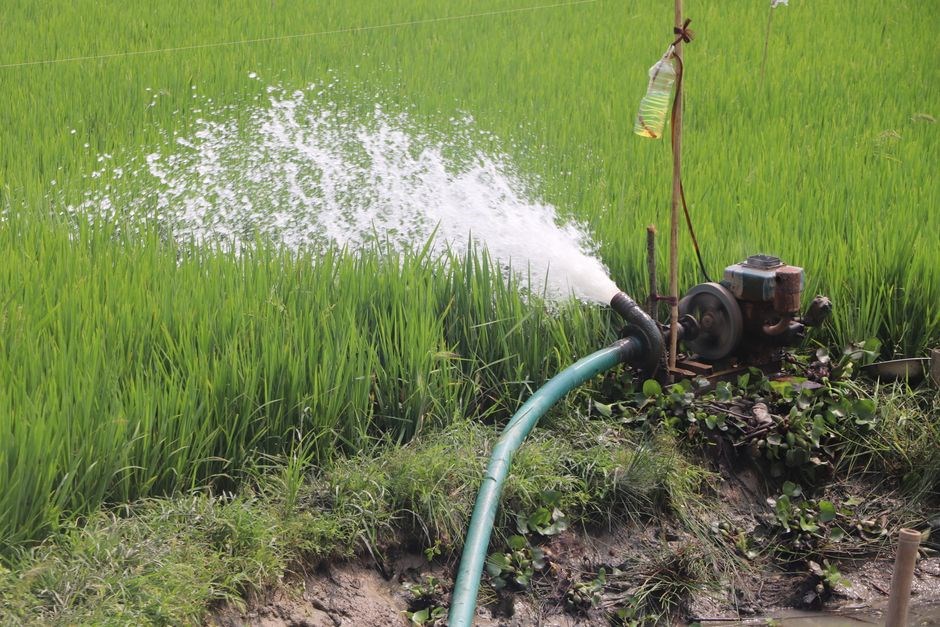
Definition and Purpose of Manual Water Pumps
Manual water pumps are hand‑operated devices that transfer water from a source to a desired location without external power. They rely on simple mechanical actions—crank turning, lever pulling, or foot‑pedal motion—to create pressure that pushes fluid through a conduit. The core purpose is to provide reliable, water access in remote, off‑grid, or emergency situations where electric or fuel‑powered pumps are unavailable or impractical. By converting human effort into hydraulic energy, these pumps enable irrigation, livestock watering, household use, and firefighting in areas lacking infrastructure. Their design emphasizes durability, low cost, and ease of use, often employing corrosion‑resistant materials stainless steel, brass, or reinforced plastics. The pump’s capacity is determined by stroke length, handle leverage, and the pump head, allowing operators to adjust flow rates to match specific needs. Because they require no external power source, manual pumps are inherently and friendly, producing no emissions and minimal noise. They also serve educational purposes, illustrating fluid mechanics and mechanical advantage principles for students and technicians alike. In practice, users pair manual pumps with storage tanks or cisterns, allowing them to accumulate water during peak flow periods and draw from the reserve when demand spikes, thereby smoothing supply and ensuring continuous access even during prolonged droughts or power outages .
Peristaltic vs. Hand-Crank Mechanisms
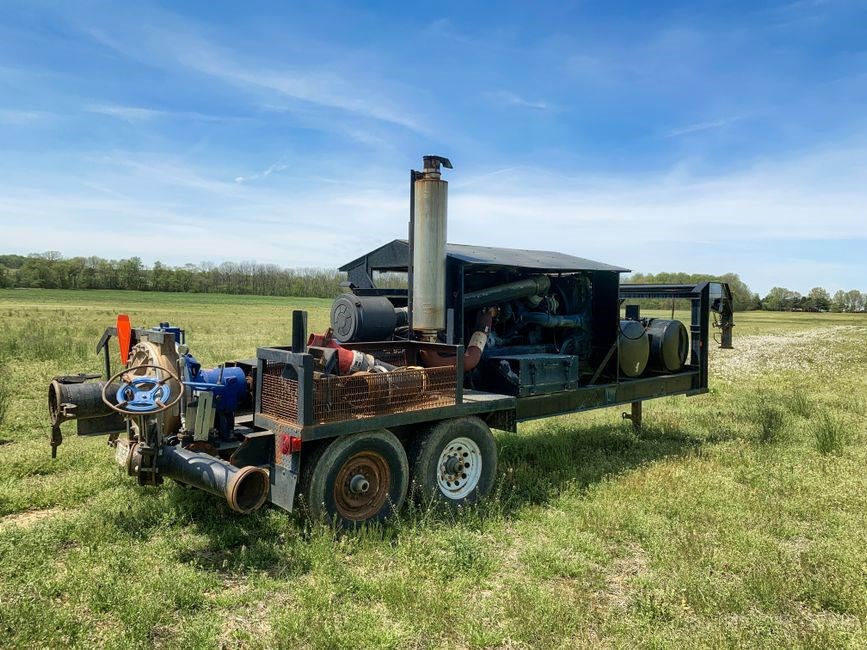
Peristaltic pumps use rotating rollers or shoes that compress a flexible tube, creating a traveling wave that pushes fluid forward. The tube’s interior remains sterile, making it ideal for potable water or medical applications. The pump’s flow is directly proportional to the roller speed, and the system is self‑priming, eliminating the need for pre‑filling. Hand‑crank pumps, on the other hand, rely on a mechanical linkage that turns a piston or diaphragm inside a cylinder. The crank’s angular motion is converted into linear displacement, forcing water through a valve system. This design offers higher pressure output and can lift water from deeper sources, but it requires more effort per unit volume. In terms of maintenance, peristaltic pumps need tube replacement every few thousand cycles, whereas hand‑crank pumps demand periodic lubrication of bearings and inspection of seals. Energy efficiency differs as well: peristaltic pumps consume less power for small volumes but suffer from higher friction losses at higher flow rates. Hand‑crank pumps excel in rugged environments where a simple, robust mechanism is preferred. Choosing between the two depends on the required flow rate, pressure, source depth, and the operator’s physical capability. Both mechanisms embody the core principle of converting manual effort into hydraulic work, yet they cater to distinct operational contexts and user preferences.

Addendum: 19 note.!!
Submersible, Axial, and Piston Variants
Submersible models typically incorporate a sealed housing that protects the crank mechanism from water ingress, ensuring longevity. Axial pumps rely on a gear‑driven screw to maintain a steady flow, making them ideal for shallow wells where high volume is required. Piston pumps, with their reciprocating action, excel in delivering precise pressure for irrigation sprinklers. The choice among these variants often depends on the depth of the water source and the required flow rate. Operators must also consider the ease of maintenance, as submersible units can be more difficult to disassemble compared to hand‑crank axial or piston pumps. Designers evaluate the effort to achieve flow per cycle.
Durable Materials: Stainless Steel, PVC, and Brass
Stainless steel, PVC, and brass are the primary materials chosen for manual water pump construction due to their distinct advantages in durability, corrosion resistance, and cost. Stainless steel offers high tensile strength and excellent resistance to rust, making it ideal for pumps exposed to mineral‑rich groundwater or chlorinated sources. It can withstand repeated mechanical stress from hand‑crank operation without significant wear. PVC, a thermoplastic, provides a lightweight yet robust alternative; its chemical inertness prevents degradation from acidic or alkaline water, and its low cost allows for mass production of simple hand‑pump housings. However, PVC is less suitable for high‑pressure applications because it can deform under sustained load. Brass, an alloy of copper and zinc, combines good electrical conductivity with moderate corrosion resistance. It is often used for internal seals and valve components where a tight seal is required, as brass can be machined to precise tolerances and can accommodate wear rings. When selecting a material, designers must balance the pump’s intended use—shallow well, deep borehole, or surface irrigation—with the environmental conditions, such as pH, temperature, and presence of dissolved solids. The material choice also influences maintenance schedules; stainless steel parts may require occasional polishing, PVC parts may need replacement of worn seals, and brass components may need periodic cleaning to prevent scale buildup. Ultimately, the optimal material strategy combines the strength of stainless steel for the main body, the flexibility of PVC for peripheral fittings, sealing reliability of brass for critical interfaces, ensuring a long‑lasting, low‑maintenance pump that meets the rigorous demands of manual operation in diverse settings. This balance ensures reliability and longevity!..
Manual water pumps convert human effort into hydraulic work. The required force (F) depends on water density (ρ), gravity (g), vertical lift (H), cross‑sectional area (A), and friction losses (f): F = ρ·g·H·A + f·L, where L is stroke length. Engineers target a peak human force of 70 N to avoid fatigue, balancing this with a crank radius that delivers sufficient torque (τ = F·r). Stroke length matches desired piston velocity; a 0.1 m stroke at 20–30 rpm gives a piston speed of 0.3–0.5 m/s. Flow rate (Q) follows from area (A) and piston velocity (v): Q = A·v. A 50 mm diameter cylinder yields about 0.05–0.1 m³/min. Adjusting diameter or stroke compensates for higher lift or lower flow. Ratcheting mechanisms store energy, letting a single crank stroke move the piston multiple times, increasing flow without extra effort. Accurate modeling ensures the pump meets site‑specific needs—shallow wells, high‑rise irrigation, or emergency supply—while staying ergonomic. In practice, field testing validates the theoretical models, ensuring that the pump’s mechanical efficiency aligns with real‑world performance and that maintenance schedules remain manageable for users! This approach optimizes performance and comfort!
Elevation, Ground Conditions, and Pipe Sizing
Manual pumps must account for vertical lift, soil resistance, and conduit dimensions. The maximum head (Hmax) is limited by the pump’s stroke and mechanical advantage; typical hand‑crank units deliver 3–6 m of lift. For deeper wells, a multi‑stage or peristaltic design can extend Hmax, but the user must still apply a manageable force. Ground conditions influence both installation depth and pipe routing. Loose, sandy soils allow easier trenching but may require flexible PVC or corrugated steel to prevent collapse. Clay or rocky strata demand rigid, pressure‑rated steel or reinforced concrete sleeves to maintain pipe integrity. Pipe sizing follows the Darcy–Weisbach equation: ΔP = f·(L/D)·(ρv²/2), where D is diameter, L is length, f is friction factor, and v is velocity. Selecting a diameter that keeps velocity below 1 m/s reduces cavitation and wear. A 50 mm pipe at 0.5 m/s delivers ~0.04 m³/min, matching a 50 mm piston. For higher flow, a 75 mm pipe reduces friction losses, but increases material cost. Groundwater tables affect suction lift; pumps must be sealed to avoid contamination. Proper bedding, backfill, and joint sealing prevent leaks and ensure longevity. In all cases, the engineer balances elevation, soil mechanics, and pipe sizing to produce a reliable, low‑effort system that meets user demand while minimizing maintenance and environmental impact. The design must consider regulations and user daily use training for safe operation.
Cleaning, Seal Replacement, and Eco-Friendly Disposal
Routine cleaning of a manual pump’s inlet and outlet ports removes sediment that can clog valves and reduce flow. A 5‑minute rinse with a garden hose, followed by a brush sweep, keeps the chamber clear. When seals wear, replace them with the manufacturer’s specified O‑rings or rubber gaskets; a simple torque wrench ensures proper seating. Use silicone‑based lubricants sparingly to prevent residue buildup. For eco‑friendly disposal, recycle metal housings and plastic components in local facilities. If the pump contains any hazardous fluids, neutralize them with absorbent pads before discarding. Compostable seal materials, such as biodegradable silicone, can be composted in industrial settings. Always follow local regulations for e‑waste, and consider donating functional units to community projects or schools. Proper maintenance extends the pump’s life, reduces waste, and protects the environment.
Routine inspection should occur every 3–6 months, especially after heavy use. Check for cracks, corrosion, and wear on the piston rod and seals; Replace O‑rings when the gap widens beyond 0.5 mm to maintain pressure. Clean the inlet screen with a soft brush and a mild detergent; avoid abrasive cleaners that can damage the metal. When decommissioning a pump, disassemble the housing and separate metal parts for recycling. Plastic components can be sent to a local plastic‑recycling center. Compost them in a composting facility. Proper disposal reduces landfill waste, supports circular economy principles.