Bloch Leotard Size Overview
Bloch leotards span sizes 6 (Petite) to 14 (XLarge), each tied to precise bust, waist, hip, girth, and inseam ranges. The official chart aligns these metrics with numeric values, helping dancers find a snug, supportive fit that accommodates varying body shapes and dance styles. Ideal for beginners
Understanding Bloch Leotard Fit
Choosing the right size for a Bloch leotard hinges on understanding how the garment’s construction interacts with a dancer’s body. The leotard is designed to stay in place during high‑energy movements, so a snug but not restrictive fit is essential. Key factors include the bust, waist, hip, and girth measurements, all of which are mapped to the brand’s numeric sizes. The brand’s sizing chart lists bust, waist, hip, girth, and inseam ranges for each size from Petite (6) to XLarge (14). For example, a size 8 leotard accommodates a bust of 82–87 cm, waist of 61–66 cm, hip of 89–94 cm, girth of 145–150 cm, and inseam of 76–87 cm. The inseam range is uniform across all sizes, reflecting the leotard’s consistent length. Understanding these ranges allows dancers to match their measurements to the appropriate numeric size, ensuring the leotard’s elastic band sits comfortably around the waist and hips while providing enough stretch across the bust. The elastic band’s width and tension are engineered to hold the garment in place during jumps, turns, and floor work, which is why a slight snugness is preferable to a loose fit that could shift during performance. Additionally, the leotard’s fabric blend—typically a mix of nylon and spandex—offers elasticity and moisture‑wicking properties, further supporting a secure fit. By aligning your body measurements with the chart’s specified ranges, you can confidently select a size that balances support, flexibility, and comfort for any dance style. When ordering online, always double‑check your measurements against the chart, and consider ordering a size up if you prefer a looser fit for floor work!
Available Size Ranges
Bloch leotards are offered in a continuous numeric range from 6 (Petite) to 14 (XLarge), each corresponding to specific bust, waist, hip, girth, and inseam measurements. The brand’s official size chart lists the following ranges: Size 6 (Petite) – bust 77–82 cm, waist 56–61 cm, hip 84–89 cm, girth 140–145 cm, inseam 76–87 cm; Size 8 – bust 82–87 cm, waist 61–66 cm, hip 89–94 cm, girth 145–150 cm, inseam 76–87 cm; Size 10 – bust 87–92 cm, waist 66–71 cm, hip 94–99 cm, girth 150–155 cm, inseam 76–87 cm; Size 12 – bust 92–97 cm, waist 71–76 cm, hip 99–104 cm, girth 155–160 cm, inseam 76–87 cm; Size 14 – bust 97–102 cm, waist 76–81 cm, hip 104–109 cm, girth 160–165 cm, inseam 76–87 cm. All sizes share the same inseam length, reflecting the leotard’s uniform cut. Because the elastic band is engineered to hold the garment securely, dancers typically select a size that places the band just below the natural waist, ensuring a snug but comfortable fit. The leotard’s nylon‑spandex blend provides stretch across the bust and hips, allowing each size to accommodate slight variations in body shape while maintaining support during dynamic movements. When shopping, compare your own bust, waist, hip, and girth measurements to the chart’s ranges to identify the best numeric size. If you fall near the upper end of a size’s range, consider moving up one size for a more relaxed feel, especially if you perform floor work or prefer a looser fit. Conversely, if you are closer to the lower end, a smaller size will keep the leotard in place during jumps and turns. By aligning your measurements with the chart’s precise ranges, you can confidently choose a leotard that balances flexibility, support, and durability for any dance discipline.
Retailers offer these sizes in both standard and extended styles, with some boutiques providing custom sizing options for dancers with unique proportions. Online ordering allows you to review the size chart before purchase, and many sites provide a quick size‑matching quiz that uses your measurements to recommend the optimal fit. Shipping times vary by region, but Bloch typically delivers within 3–5 business days for domestic orders. If you receive a leotard that feels too tight or loose, most retailers accept returns or exchanges within 30 days, ensuring you can adjust to the correct size without hassle. The consistent inseam length across all sizes simplifies pairing with dance shoes, ensuring a seamless look from head to toe.
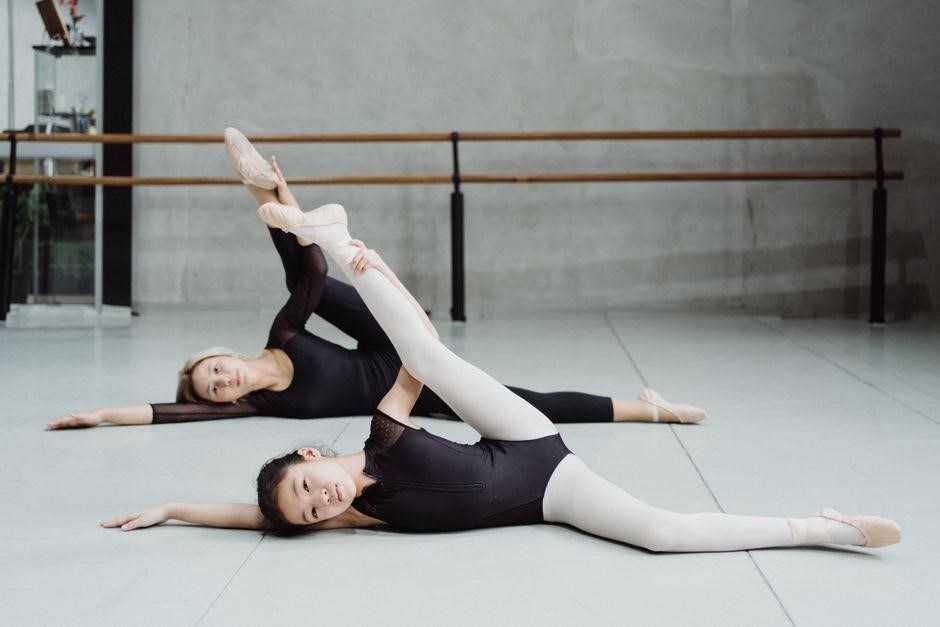
Body Measurement Guide for Bloch Leotards
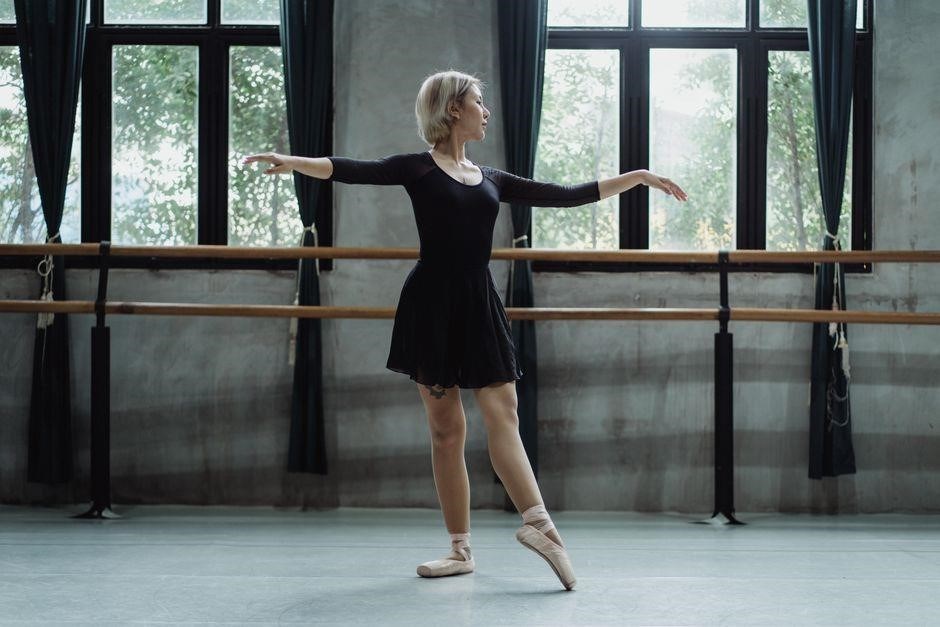
Measure bust at fullest point, waist at narrowest, hips at fullest, and girth around mid‑thigh. Use a flexible tape, keep it snug but not tight. Record each in centimeters; compare with Bloch’s chart to find the correct numeric size. Tape stays level, and the band sits below the waist for support!
Measuring Bust for Leotard Fit
Start by standing upright with relaxed shoulders. Use a soft, flexible measuring tape. Wrap the tape around the fullest part of the bust, ensuring it lies flat against the skin and stays level horizontally. The tape should be snug but not compressing the flesh; a slight give indicates correct tension. Record the measurement in centimeters, rounding to the nearest whole number if necessary. Compare this figure with Bloch’s official size chart, which lists bust ranges for each size from Petite (77–82 cm) to XLarge (97–102 cm). If your measurement falls between two sizes, choose the larger size for a comfortable fit that allows movement and layering. Always double‑check the tape placement after a few minutes, as slight shifts can alter the reading. Accurate bust measurement is essential for ensuring the leotard’s front panel sits correctly, preventing gaps or excess fabric that can hinder performance or create distractions during practice and performances. Consistent measurement technique also helps maintain fit over time, especially as fabrics stretch or shrink after washing. By following these steps, dancers can confidently select a leotard that supports posture, flexibility, and confidence on stage. Remember that a well‑fitted leotard not only enhances movement but also boosts confidence, allowing dancers to focus on expression rather than garment fit, and that regular re‑measurement after weight changes ensures long‑term comfort and performance quality. Use a soft tape and a mirror for best accuracy.!!!
Measuring Waist and Hip for Leotard Fit
Begin by locating the natural waistline—just above the belly button where the torso curves inward. Wrap a flexible tape snugly around this point, keeping it level and flat against the skin. Record the measurement in centimeters, rounding to the nearest whole number. Next, identify the widest part of the hips, usually the fullest area of the buttocks. Wrap the tape around this spot, ensuring it is level and snug but not tight. Note the hip measurement in centimeters. Compare both numbers to Bloch’s size chart: waist ranges from 56–61 cm for Petite to 76–81 cm for XLarge, while hips span 84–89 cm for Petite up to 104–109 cm for XLarge. If your waist or hip falls between two sizes, choose the larger size to allow room for movement and layering. Consistent measurement technique is vital; slight variations can shift the leotard’s fit, causing it to sit too high or low, which may affect posture and comfort during dance. Re‑measure after any significant weight change to maintain optimal fit. Accurate waist and hip data ensure the leotard’s back panel aligns correctly, providing support without restricting circulation or movement. This precision enhances performance quality and garment longevity, as well‑fitted leotards experience less strain on seams and elastic. Additionally, dancers should check for visible seams or elastic tension that could shift during movement, as this may alter waist and hip alignment over time. By integrating these meticulous measurements into the sizing process, dancers can achieve a leotard that feels custom‑tailored, supporting both technical precision and expressive freedom on the floor.
Bloch Size Chart Details
The Bloch leotard size chart maps bust, waist, hip, girth, and inseam measurements to sizes 6–14. For example, size 6 (Petite) covers bust 77–82 cm, waist 56–61 cm, hip 84–89 cm, girth 140–145 cm, inseam 76–87 cm. Each subsequent size increments by 5 cm in bust and 5 cm in waist, etc. All cm. Chart!!!
Size-to-Measurement Mapping (Petite to XLarge)
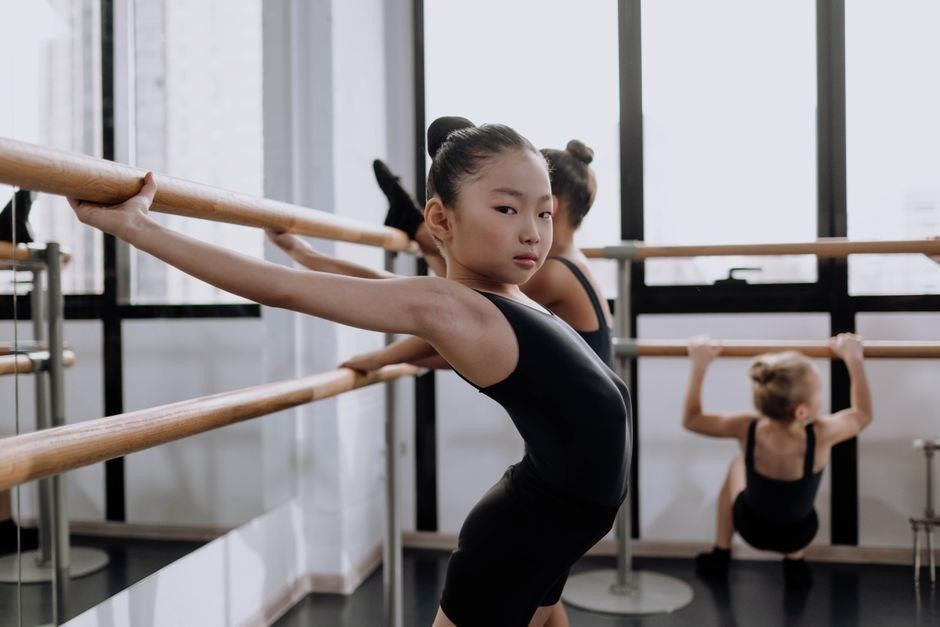
When selecting a Bloch leotard, measure bust, waist, hip, girth, and inseam in centimeters. Bust is taken around the fullest chest, waist at the narrowest point, hip at the widest part, girth at waist level, and inseam from crotch to ankle. The chart’s inseam range (76–87 cm) fits most dancers, while varying bust, waist, hip, and girth ranges accommodate different body shapes. If measurements fall between sizes, choose the larger size for a relaxed fit, especially for dance styles requiring extra movement. This ensures a comfortable secure fit for all dance levels todaynow.
- Size 6 (Petite): Bust 77–82 cm, Waist 56–61 cm, Hip 84–89 cm, Girth 140–145 cm, Inseam 76–87 cm.
- Size 8 (Small): Bust 82–87 cm, Waist 61–66 cm, Hip 89–94 cm, Girth 145–150 cm, Inseam 76–87 cm.
- Size 10 (Medium): Bust 87–92 cm, Waist 66–71 cm, Hip 94–99 cm, Girth 150–155 cm, Inseam 76–87 cm.
- Size 12 (Large): Bust 92–97 cm, Waist 71–76 cm, Hip 99–104 cm, Girth 155–160 cm, Inseam 76–87 cm.
- Size 14 (XLarge): Bust 97–102 cm, Waist 76–81 cm, Hip 104–109 cm, Girth 160–165 cm, Inseam 76–87 cm.
Girth and Inseam Specifications for Bloch Leotards
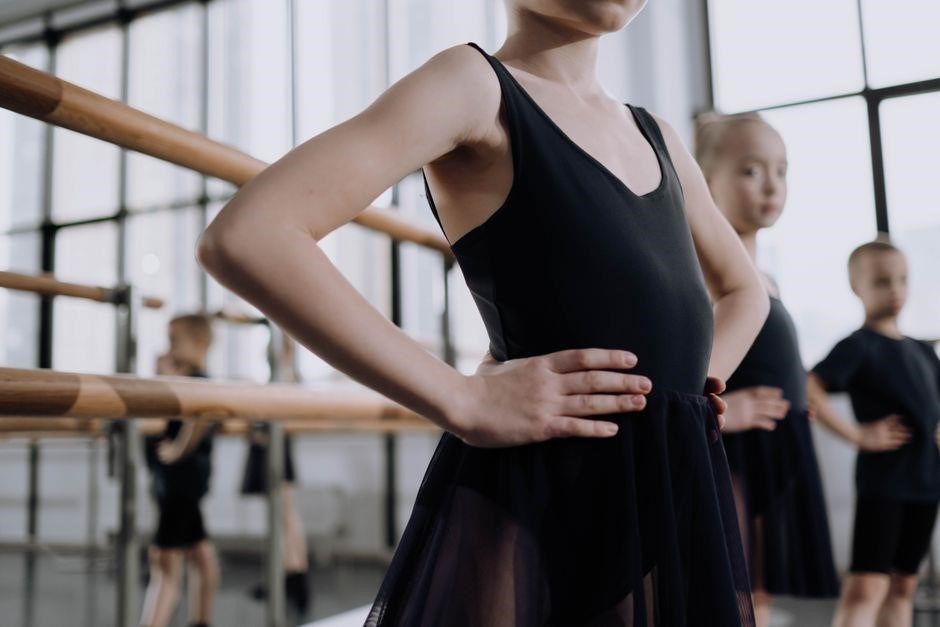
Girth and inseam measurements are critical for ensuring a leotard stays securely in place during dynamic movement. The girth, measured around the waist, ranges from 140 cm in the smallest size to 165 cm in the largest. This span accommodates a variety of torso shapes while maintaining a snug fit that prevents slippage. Inseam length, consistently set at 76–87 cm across all sizes, provides a flexible fit for dancers of different heights. A shorter inseam offers a tighter profile for petite dancers, whereas a longer inseam allows for extended leg movement in more advanced routines. When selecting a size, compare your waist circumference to the girth range; if your measurement sits between two sizes, choose the larger girth to avoid compression. For inseam, consider your leg length: a dancer with longer legs may benefit from a size that offers the upper end of the inseam range. These dimensions are designed to work in harmony with the leotard’s elastic panels, ensuring that the garment stays in place without restricting airflow or range of motion. Properly matching girth and inseam not only enhances comfort but also contributes to a polished appearance on stage, as the leotard will sit evenly on the body and maintain its shape throughout performance. Remember to measure in a relaxed state, and allow a small margin for movement when selecting the final size. Finally, always test the leotard in motion before final purchase, ensuring it stays secure and comfortable throughout every routine for all today Adjust elastic bands if needed; a snug fit keeps the leotard secure without restricting movement during spins for all levels, today!? Stay fit.!!!
Choosing the Correct Bloch Leotard Size
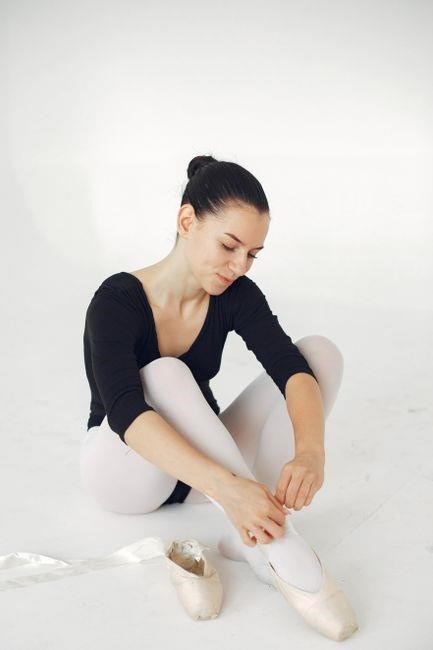
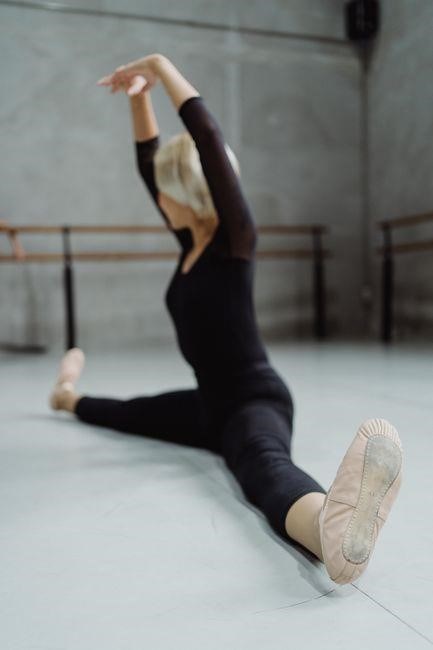
Select a Bloch leotard size by comparing your bust, waist, and hip to the official chart. If your measurements sit between two sizes, pick the larger to avoid compression. Test the garment in motion to confirm it stays secure during spins, lifts, and jumps, ensuring optimal fit and comfort. for all dancers.!
Adjusting for Different Dance Styles
When selecting a Bloch leotard, the dance discipline dictates how snug or relaxed the fit should be. For contemporary and lyrical work, a slightly looser cut allows fluid arm movements and prevents the garment from catching on the torso during dramatic extensions. In contrast, ballet and jazz demand a tighter profile to support the dancer’s core and maintain a clean silhouette during turns and jumps. A leotard that is too loose in ballet can shift, creating a distracting “bag” effect, while a leotard that is too tight may restrict breathing and impede expressive gestures. To fine‑tune the fit, first consult the official size chart, noting bust, waist, and hip measurements. Next, consider the leotard’s material elasticity; a higher stretch percentage accommodates dynamic ranges of motion. If you practice both styles, opt for a medium‑tight size that offers enough support for ballet yet enough flexibility for contemporary. For gymnasts or acrobats, a very snug fit is essential to prevent the garment from riding up during tumbling or aerial maneuvers. Always try on the leotard in full costume, including any additional layers such as tights or leotard sleeves, to ensure the combined thickness does not alter the intended fit. Finally, remember that body composition changes over time; re‑measure annually to keep the leotard performing at its best across all dance styles.
Additionally, dancers who switch between floor work and airborne sequences benefit from a leotard that balances compression and breathability. A moisture‑wicking fabric keeps the garment in place and prevents overheating during intense routines.

Troubleshooting Common Fit Issues
When a Bloch leotard feels too tight or loose, start by verifying your measurements against the official chart. If the bust is snug but the waist drapes, try a size one step larger; the leotard’s elastic band should sit comfortably without pulling. A garment that rides up during high kicks often indicates an oversized inseam—select a size with a shorter inseam or trim the excess fabric at the hem. For leotards that bunch at the hips, check the hip measurement; a larger hip size or a higher‑waist cut can resolve the problem. If the garment feels restrictive across the shoulders, it may be a size too small; choose a slightly larger size or opt for a model with a higher stretch percentage. Leotards that shift during turns usually lack a secure waistband; adding a discreet elastic band or a small safety pin can keep the garment in place. For dancers who experience chafing, ensure the fabric is smooth and free of seams that press against the skin; selecting a leotard with a seamless design or applying a thin layer of anti‑chafe cream can alleviate discomfort. Finally, if the leotard’s color fades after washing, wash it inside out on a gentle cycle and avoid bleach to preserve the original hue. Always re‑measure annually for fit!
Care, Maintenance, and Fit Retention for Bloch Leotards
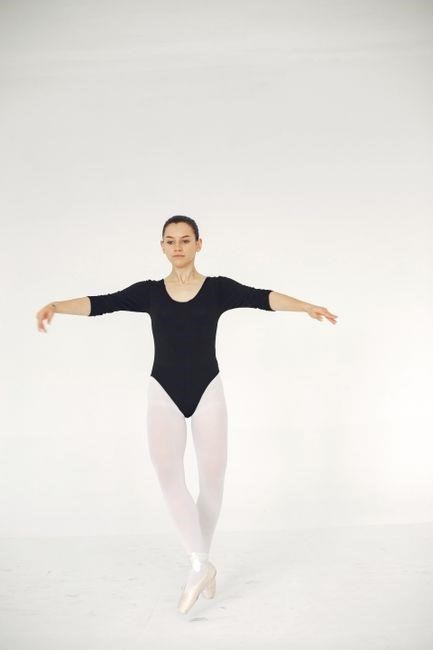
Wash inside‑out on a gentle cycle, avoid bleach, and air‑dry flat to keep elasticity. Store folded, not hung, to prevent creases. Use a mild detergent, no fabric softener, to preserve stretch. Inspect seams regularly and repair prompt.
Washing and Drying Guidelines
Bloch leotards are engineered from high‑performance stretch fabrics that demand gentle handling to preserve elasticity and color integrity. The following routine ensures each garment remains true to its original fit and aesthetic after repeated use.
- Pre‑wash: Inspect for stains, pre‑treat with a mild, non‑bleach detergent, and turn the leotard inside out to safeguard surface fibers.
- Machine wash: Select a cold or lukewarm cycle on a gentle or delicate setting. Use a fragrance‑free detergent; avoid bleach or fabric softeners that can compromise stretch.
- Drying: Air‑dry flat on a clean towel or hang on a padded hanger. Do not tumble dry, as heat can shrink or distort the fit. If a dryer is used, choose the lowest heat setting and remove promptly to prevent over‑drying.
- Ironing: If necessary, iron on the reverse side at low heat (no more than 150 °C) and avoid direct contact with seams or embellishments.
- Storage: Fold the leotard and store in a cool, dry place away from direct sunlight. Use a breathable garment bag to prevent moisture buildup and maintain shape.
By adhering to these guidelines, dancers can maintain the leotard’s stretch, color, and overall fit, ensuring reliable performance across rehearsals and performances.
Remember to test a small area first if using detergent or drying method, adjust the routine as needed.
Storage and Longevity Tips
Proper storage preserves the elasticity and shape of Bloch leotards. After each wash, lay the garment flat on a clean, absorbent towel, gently patting excess water. Avoid hanging on narrow hooks that can stretch the fabric; instead, use a padded hanger or fold the leotard in thirds. Keep the garment in a breathable bag or cloth pouch to prevent moisture buildup and dust accumulation. Store in a cool, dry area away from direct sunlight, which can fade colors and weaken fibers. Periodically inspect seams for wear and reinforce with a light touch of fabric glue if needed. Rotate usage so no single leotard bears continuous pressure. When not in use, avoid compressing the garment in tight drawers; instead, place it in a spacious box lined with tissue paper. Add a small silica gel packet to absorb excess humidity, and avoid plastic bags that trap moisture. Store away from strong chemicals and avoid placing the leotard near heat sources. These practices extend the life of the leotard, ensuring it remains snug and supportive for every performance. If the leotard shows any signs of fabric fatigue, such as micro‑tears or loss of stretch, consider a repair or replace it to maintain carefully performance. For seasonal storage, keep a dehumidifier in the closet to protect against moisture. Finally, label each garment with its size and date of purchase to track wear over time