Understanding Fly Fishing Guide Tipping Etiquette
Navigating fly fishing guide tipping can feel tricky; understanding expectations ensures gratitude for their expertise and dedication to a memorable angling experience․
The Core Question: Is Tipping Expected?
Generally, tipping your fly fishing guide isn’t strictly required, but it’s deeply appreciated and considered standard practice when they’ve provided excellent service․ Think of it as acknowledging their effort to enhance your day on the water – going above and beyond simply putting you in a fishy location․
While not mandatory like in some service industries, guides often rely on tips to supplement their income, especially those working seasonally․ A good experience, insightful instruction, and a genuine effort to help you succeed are all reasons to consider a tip․
However, it’s perfectly acceptable not to tip if the service was demonstrably poor (we’ll cover that later)․ But assuming a reasonable level of competence and helpfulness, budgeting for a tip is a thoughtful gesture and a way to show your appreciation for their knowledge and hard work․
Regional Variations in Tipping Culture
Tipping norms for fly fishing guides can subtly shift depending on location․ In areas heavily reliant on tourism, like Montana or Wyoming, tipping expectations are generally higher than in regions where guiding is more of a supplemental income source․
For example, guides in popular destinations may expect a tip more consistently than those in less-visited areas․ Similarly, lodges that automatically include a gratuity may influence the overall tipping culture in that specific locale․
Coastal regions, particularly those catering to saltwater fly fishing, sometimes have different customs․ It’s always wise to discreetly inquire with local fly shops or other anglers about prevailing tipping practices in the area you’re visiting․ Observing what others do can also provide valuable insight, ensuring you’re aligning with local etiquette․
Factors Influencing Your Tip Amount
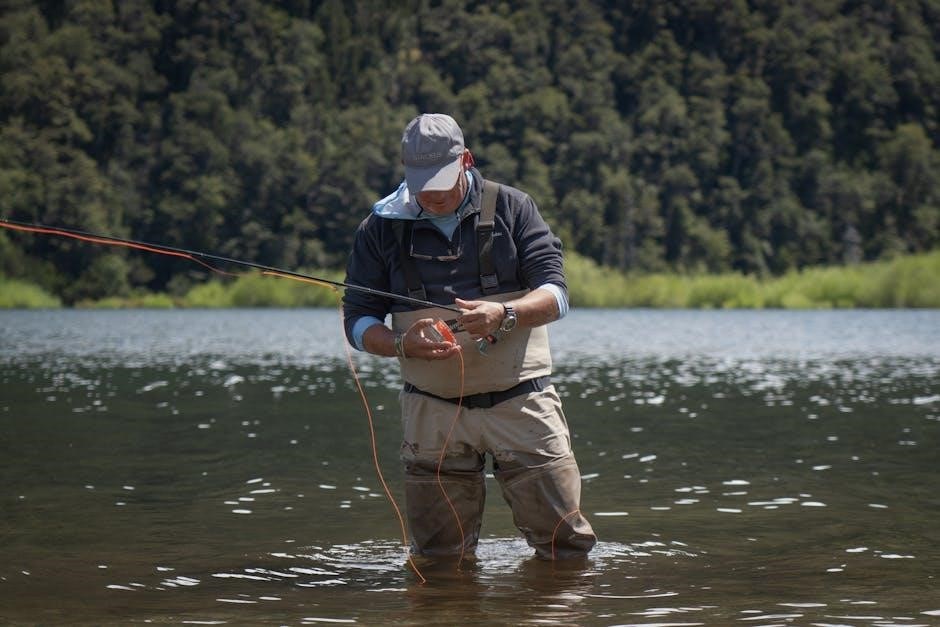
Several elements beyond just fish landed impact a fair tip; consider guide skill, service quality, trip duration, and any included amenities provided during your outing․
Quality of the Guiding Experience
A truly exceptional guiding experience warrants a generous tip․ Consider how well the guide catered to your skill level, offering helpful instruction and patient encouragement․ Did they effectively explain techniques, read the water accurately, and adapt to changing conditions?
Beyond technical skill, assess their overall professionalism and enthusiasm․ A guide who goes above and beyond – providing insightful local knowledge, ensuring your comfort, and creating a positive atmosphere – deserves recognition․ Were they proactive in addressing your needs and anticipating potential challenges?
Remember, a guide’s primary goal is to enhance your fishing trip․ If they demonstrably achieved this through their expertise, dedication, and positive attitude, a higher tip reflects your appreciation for their outstanding service․ Don’t hesitate to reward excellence!
Fish Caught (or Not!) ⏤ Does Success Matter?
While landing a trophy fish is exciting, basing your tip solely on catch numbers isn’t ideal․ Fly fishing’s inherent challenges – weather, water conditions, fish behavior – mean a guide can provide excellent service even on a “slow” day․
A skilled guide’s value lies in their ability to maximize your opportunities, not guarantee results․ They can expertly position the boat, present flies effectively, and offer valuable instruction, even if fish are uncooperative․
Focus instead on the guide’s effort, knowledge, and positive attitude․ Did they work hard to find fish, adapt to difficult conditions, and maintain your enthusiasm? A guide who provides a quality experience, regardless of the catch, deserves a fair tip reflecting their dedication and expertise․
Length of the Trip
The duration of your fly fishing trip significantly impacts tipping considerations․ A half-day trip (typically 4-6 hours) generally warrants a smaller tip than a full-day excursion (8-10 hours)․ Think of it as compensating for the guide’s time and sustained effort․
For shorter trips, a smaller percentage or a flat rate might be appropriate․ Longer days demand more physical and mental stamina from the guide, justifying a more substantial reward․ Consider the guide’s commitment throughout the entire timeframe․
Multi-day trips require a different approach (covered later), but for single-day outings, the length directly correlates with the expected tip amount․ A full day of dedicated service deserves greater recognition than a shorter session, even with similar levels of enjoyment․
Inclusions & Extras Provided (Lunch, Gear, etc․)
Consider what your fly fishing package includes when determining a tip․ If lunch is provided, especially a high-quality meal, acknowledge this convenience․ Guides often go above and beyond, supplying not just fishing expertise but also logistical support․
Rental gear – rods, reels, waders, boots – adds value to the experience․ While rental fees are separate, a guide providing top-notch equipment deserves recognition․ Exceptional service extends beyond casting instruction․
Extras like flies, terminal tackle, or even beverages contribute to a hassle-free day․ These small touches demonstrate a commitment to client comfort and success․ Factor these inclusions into your overall tipping calculation, rewarding generosity and attentiveness․
Standard Tipping Guidelines
Generally, a tip demonstrates appreciation for excellent service; established guidelines offer a helpful framework, though flexibility based on experience is always encouraged․
The 15-20% Rule: A Common Starting Point
For many, applying a 15-20% tip to the total cost of the guided trip serves as a reliable benchmark․ This percentage mirrors tipping practices in other service industries, offering a familiar and comfortable approach․ A 15% tip reflects satisfactory service, indicating the guide met expectations and provided a generally enjoyable experience․
However, bumping that up to 20% signifies exceptional service – perhaps the guide went above and beyond to locate fish, offered insightful instruction, or created a particularly memorable day on the water․ Consider this range a solid foundation, especially if the trip cost is clearly communicated upfront․ Remember, this is a guideline, and adjustments can be made based on the factors discussed elsewhere, like the quality of the experience and any extras provided․
Daily Rate Guides: A More Concrete Approach
When guides operate on a fixed daily rate, a straightforward tipping method emerges․ Instead of percentages, consider a flat tip amount based on your satisfaction․ A common range is $100-$200 for a full day of guiding, adjusting upwards for truly outstanding service․ For half-day trips, $50-$100 is a reasonable consideration․
This approach provides clarity, especially when the daily rate already represents a significant investment․ It also allows you to directly reward the guide based on the value you received․ If the guide demonstrated exceptional knowledge, patience, or went the extra mile to ensure your success, a higher flat rate tip is certainly warranted․ Remember to factor in the overall experience and the guide’s dedication when determining the appropriate amount․
Multi-Day Trips: Adjusting the Tip Accordingly
For extended fly fishing adventures spanning multiple days, tipping requires a slightly different strategy․ Rather than tipping daily, it’s customary to provide a single, more substantial tip at the conclusion of the trip․ Consider the cumulative experience – the guide’s consistency, adaptability, and overall commitment throughout the duration․
A good guideline is to apply the 15-20% rule to the total cost of the trip, or offer a flat sum ranging from $200-$500+ depending on the length and quality of the experience․ Exceptional service, particularly in challenging conditions or with complex logistical arrangements, deserves a higher reward․ Don’t hesitate to acknowledge outstanding effort with a generous tip; it’s a powerful expression of gratitude for a truly memorable multi-day excursion․
Beyond Percentage: Alternative Tipping Methods
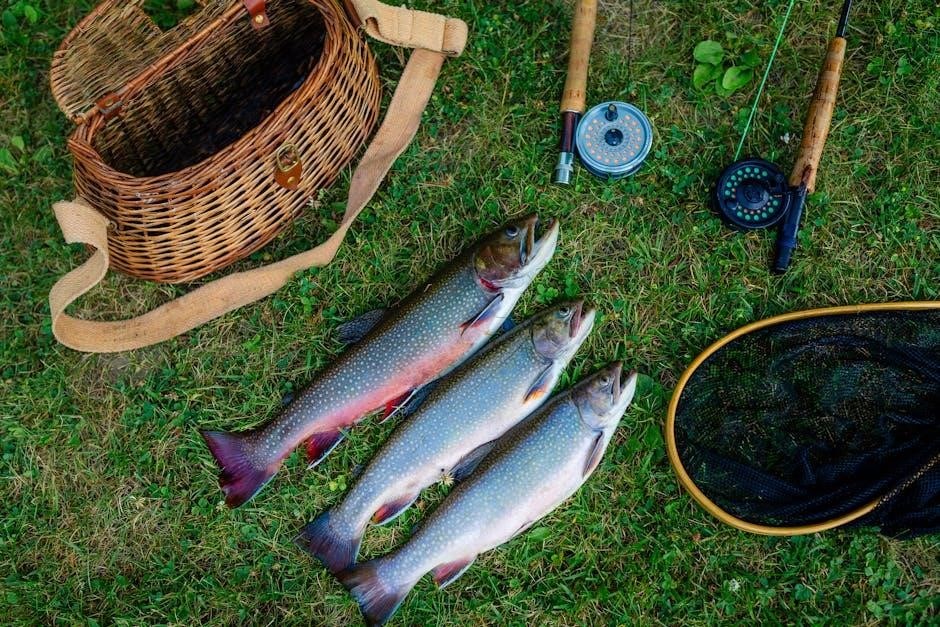
Sometimes, a fixed amount or thoughtful gesture surpasses percentages; consider the guide’s effort and your satisfaction when determining a suitable expression of thanks․
Flat Rate Tipping: Simplicity and Clarity
Opting for a flat rate tip offers straightforwardness for both parties, eliminating percentage calculations․ This method is particularly useful when the service duration is clearly defined, like a full-day guided trip․ A common flat rate for a full day of guiding ranges from $100 to $200, depending on the location, guide’s experience, and overall quality of the experience․
For half-day trips, a flat rate of $50 to $100 is generally appreciated․ The benefit of a flat rate is its predictability; you know exactly what you’re offering as a token of appreciation․ It also avoids any awkwardness surrounding the final bill․ Clearly communicating your intention to tip a flat rate upfront can also be a courteous gesture, ensuring transparency and a comfortable experience for everyone involved․ Remember to adjust based on exceptional service!
Considering the Guide’s Expertise & Service
Beyond simply catching fish, a guide’s true value lies in their knowledge, teaching ability, and dedication to your experience․ A guide who patiently explains casting techniques, identifies insect hatches, and navigates the river skillfully deserves recognition․ Consider their willingness to tailor the trip to your skill level and preferences – did they go above and beyond to ensure you learned and enjoyed yourself?

Exceptional guides often possess extensive local knowledge, sharing insights into the ecosystem and history of the area․ If your guide demonstrates remarkable expertise, anticipates your needs, and provides a truly memorable experience, a higher tip is warranted․ Don’t hesitate to reward outstanding service; it acknowledges their professionalism and encourages continued excellence․ Remember, tipping reflects not just success, but the quality of the overall guiding experience․

What About the Crew? (If Applicable)
If boatmen or deckhands assist, acknowledging their contributions is thoughtful; a shared tip, typically 10-20% of the guide’s tip, demonstrates appreciation for teamwork․
Acknowledging Boatmen or Deckhands
Often, a fantastic fly fishing experience isn’t solely due to the guide’s expertise․ Boatmen and deckhands play crucial supporting roles, ensuring safety, rigging lines, navigating the river, and generally enhancing the overall flow of the day․ Recognizing their hard work is a gracious gesture․
While the primary tip is directed towards the guide, extending a portion to the crew is highly recommended, especially on larger operations or multi-person boats․ A common practice is to allocate 10-20% of the guide’s total tip to be split amongst the assisting crew members․
Consider the level of service provided by the boatman or deckhand․ Did they go above and beyond to assist with gear, offer helpful advice, or maintain a clean and organized boat? Their efforts deserve recognition․ Don’t hesitate to ask your guide how tips are typically handled with the crew; they can offer valuable insight into local customs․
Splitting the Tip Fairly
Ensuring a fair distribution of any supplemental tip amongst the boatmen or deckhands requires a little thought․ Simply dividing the amount equally isn’t always the most appropriate method, as roles and responsibilities can vary significantly․
Consider the individual contributions of each crew member․ Did one person consistently handle more demanding tasks, like extensive rigging or frequent net assists? A slightly larger share for that individual might be warranted․ Discussing the division with your guide is often the best approach; they’re familiar with each crew member’s duties and can offer guidance․
Transparency is key․ If you’re directly handing out the additional tip, briefly explain your reasoning to each crew member․ A simple “I appreciated your help with the rigging” can go a long way․ Ultimately, the goal is to acknowledge everyone’s contribution to a positive experience, fostering goodwill and respect․
Alternatives to Monetary Tips
Beyond cash, thoughtful gestures like gifts or positive reviews demonstrate appreciation; these alternatives acknowledge excellent service and build lasting relationships with guides․
Thoughtful Gifts: A Personal Touch
While a monetary tip is often preferred, a well-chosen gift can be a deeply appreciated alternative, especially for guides who seem to have everything․ Consider items related to their passion for fly fishing – high-quality fly tying materials, a durable fishing hat, or a specialized tool they might find useful․
Locally sourced items, like craft beers or regional snacks, can also be a nice touch, showcasing your appreciation for the area and their knowledge of it․ A handwritten thank-you note accompanying the gift adds a personal element that elevates the gesture․
Remember to keep the gift appropriate and within a reasonable price range, aligning with what you might typically spend on a monetary tip․ Avoid overly extravagant gifts that could create an awkward situation․ The thoughtfulness behind the gift is what truly matters․
Positive Reviews: The Power of Online Feedback

In today’s digital age, a glowing online review is an incredibly valuable “tip” for a fly fishing guide․ These reviews significantly impact their business, helping them attract future clients and build a strong reputation within the industry․
Take the time to share your experience on platforms like Google, Yelp, or specialized fishing forums; Be specific about what you enjoyed – the guide’s knowledge, patience, teaching ability, or the overall quality of the trip․
A detailed and positive review is often more impactful than a simple monetary tip, offering lasting benefits to the guide’s livelihood․ Don’t underestimate the power of your words to help a dedicated professional thrive․ It’s a free, yet incredibly generous, way to show your gratitude!
Unprofessional Conduct or Safety Concerns
If a guide exhibits unprofessional behavior, compromises safety, or creates an uncomfortable environment, a tip is absolutely not expected – and may even be inappropriate․ Your safety and well-being are paramount, and you should never feel obligated to reward substandard or concerning service․
Examples include reckless boat operation, disregard for fishing regulations, inappropriate language or behavior, or a failure to provide necessary safety equipment or instruction․ Document any issues and report them to the outfitter or relevant authorities․
Instead of a tip, focus on providing constructive feedback to the outfitter․ This allows them to address the issue and prevent similar situations in the future․ Prioritize your safety and advocate for responsible guiding practices; a tip should never come at the expense of either․

Poor Communication or Lack of Effort
When a guide demonstrates poor communication, a noticeable lack of effort to tailor the experience to your skill level, or seems disengaged, a reduced tip – or no tip at all – is justifiable․ A good guide actively communicates, explains techniques, and strives to ensure you have a productive and enjoyable day on the water․
If the guide doesn’t offer helpful instruction, fails to adapt to changing conditions, or appears uninterested in your success, it reflects a deficiency in service․ While factors like slow fishing can’t be controlled, a guide’s effort and communication are within their control․
Consider providing feedback to the outfitter detailing the specific shortcomings․ A tip is a reward for exceptional service, and a guide who doesn’t demonstrate a genuine commitment to your experience doesn’t necessarily deserve one․