Discover the convenience of free PDF beginner piano books, offering easy access to graded pieces, theory notes, and practice exercises. These PDFs combine visual clarity with downloadable formats, enabling learners to study, print, and practice anytime, anywhere. Ideal for self-paced learning. now!!
Why Choose PDF Format for Piano Learning
PDF files bring a host of advantages for beginners diving into piano study. They preserve the exact layout of printed scores, ensuring that page turns, key signatures, and dynamic markings appear exactly as intended. Because PDFs are universally supported, you can open them on Windows, macOS, Linux, tablets, and smartphones without installing specialized software. The format also allows you to print multiple copies from a single file, making it easy to distribute handouts for group lessons or practice sessions. Annotating is straightforward: most PDF readers let you add sticky notes, highlight passages or draw arrows directly on the sheet, so you can mark challenging sections or track progress. Moreover, PDFs are lightweight and can be compressed, which means you can download a full beginner course in minutes even on limited bandwidth. Finally, the non‑editable nature of PDFs protects the integrity of the original composition, preventing accidental changes that could confuse a learner. For these reasons, free PDF beginner piano books are an ideal resource for self‑taught students and teachers alike. PDFs also support annotations, allowing you to write notes directly on the sheet, which can be saved and shared with teachers for feedback. The file size is usually small, so you can download a full beginner collection in under a minute, even on a slow internet connection. This convenience makes learning accessible anywhere!!
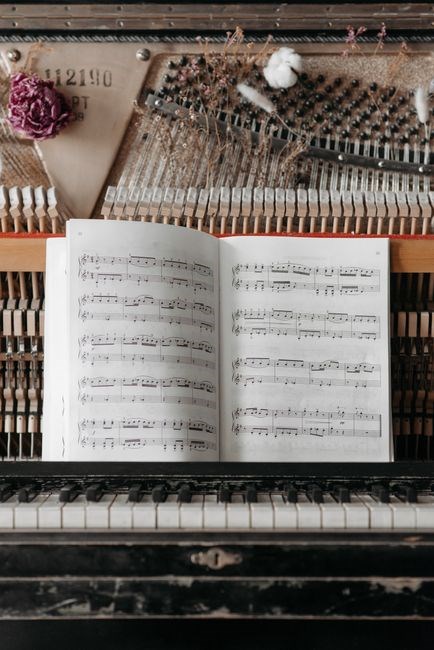
Key Features to Look for in a Beginner Piano Book
When selecting a free PDF beginner piano book, focus on elements that enhance learning and usability. First, the score layout should be clean and true to the original print, with proper key signatures, clefs, and dynamic markings that remain consistent across devices; Second, a well‑structured progression—starting with simple single‑note exercises, moving to two‑hand coordination, and gradually introducing more complex rhythms—turns a passive collection into an active study guide. Third, the inclusion of theory sections, such as explanations of scales, chords, and sight‑reading tips, turns a passive collection into an active study guide. Fourth, practice exercises that are clearly labeled and grouped by skill level allow you to target specific weaknesses. Fifth, the PDF should be lightweight (ideally under 5 MB) so it can be downloaded quickly even on limited bandwidth. Sixth, the ability to annotate—highlight, add notes, or draw arrows—lets you personalize the material and track progress. Finally, a printable format ensures you can keep a physical copy for quick reference during lessons or while traveling. Together, these features create a comprehensive, flexible resource that supports consistent practice and steady improvement. Additionally, look for a variety of musical styles—classical, folk, and contemporary—to keep practice engaging. A clear index or table of contents helps locate pieces quickly, especially when revisiting earlier lessons. Some PDFs also include audio playback links or embedded MIDI files, which can be invaluable for hearing correct phrasing while you read the notes. Finally, ensure the PDF includes a clear progression chart so you can track milestones and stay motivated throughout your learning journey. Moreover, a well‑organized index of tempo markings and key signatures allows you to quickly adjust tempo or transpose pieces, a skill that is essential for advanced practice and performance. These elements combine to form!!!
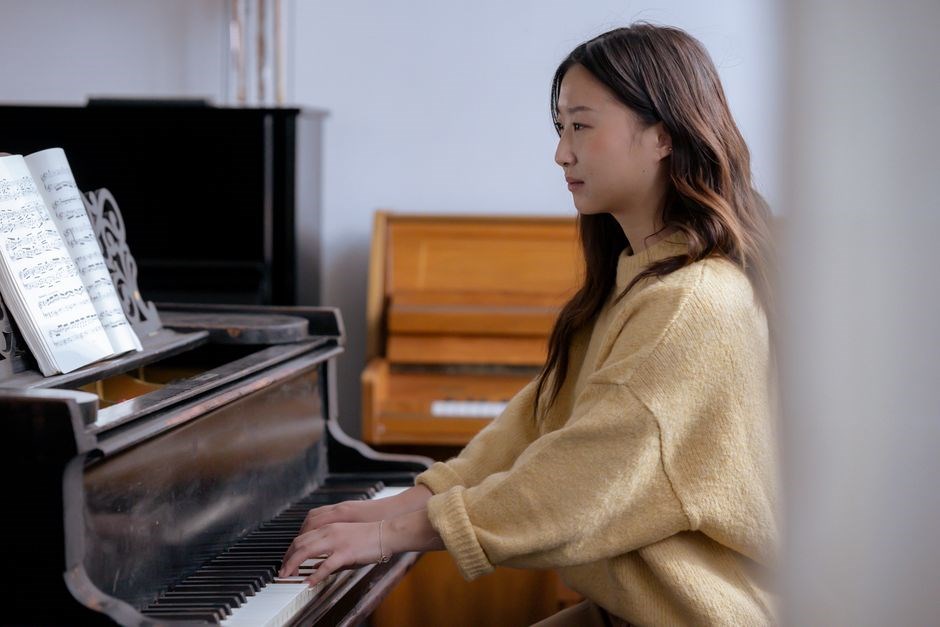
Popular Free PDF Resources for Piano Beginners
Explore top free PDF collections like the Classic Beginner Song Collection, public domain libraries, and open‑source sites offering graded pieces, theory sheets, and practice exercises. These resources provide printable, searchable scores that support self‑paced learning and skill growth. for all ages.
Classic Beginner Song Collections
Classic beginner song collections provide a curated selection of timeless melodies that are both engaging and pedagogically sound. These compilations typically feature well‑known tunes such as “Twinkle Twinkle Little Star,” “Ode to Joy,” “Happy Birthday,” and “Für Elise” simplified for early pianists. By focusing on familiar themes, students can quickly grasp rhythm, key signatures, and basic hand coordination without the intimidation of complex repertoire. Many free PDF resources compile these pieces into graded sets, allowing learners to progress from simple single‑hand exercises to more advanced two‑hand coordination. The inclusion of large, clear notation and optional chord symbols aids sight‑reading development. Additionally, these collections often incorporate short practice drills, scale exercises, and dynamic markings that reinforce foundational concepts. Because they are freely downloadable, teachers and parents can distribute them without cost, ensuring that every beginner has access to high‑quality material. The simplicity of the arrangements encourages consistent practice, while the recognizable melodies keep motivation high. Ultimately, classic beginner song collections serve as a solid launchpad for aspiring pianists, bridging the gap between theory and performance in an accessible, enjoyable format. These collections often include audio samples, tempo controls, and loop playback to aid rhythm training. PDFs are organized by difficulty, making selection straightforward. Lightweight files download quickly, even on slow connections. Users can print copies for group lessons or share with peers. Open‑source repositories keep content current with educational standards. Regular practice with these classic pieces builds musicality and technical confidence, preparing beginners for more advanced repertoire. Students also benefit from built‑in chord charts and tempo markings. Enjoy! Play! Now.!

Sheet Music Libraries with PDF Downloads
Free sheet‑music libraries offer an extensive range of downloadable PDFs tailored for beginners. These repositories typically host collections of simplified classical pieces, folk tunes, and popular songs, all arranged with clear notation, tempo markings, and chord symbols. Users can browse by difficulty level, genre, or composer, ensuring that each learner finds material that matches their skill and interests. Many libraries provide additional resources such as practice guides, sight‑reading exercises, and audio recordings that accompany the sheet music, allowing students to hear the intended interpretation before attempting to play. The PDFs are usually available in high‑resolution formats, making them suitable for printing on standard paper or larger sheet sizes for classroom use. Because the files are freely downloadable, educators can distribute them to students without incurring licensing fees, and parents can support home practice sessions with minimal cost. Some platforms also offer a search function that filters by key signature or time signature, which is especially helpful for beginners learning to read music in different keys. The convenience of instant access means that learners can start practicing immediately after download, fostering consistent practice habits. Moreover, many libraries maintain a community forum where users can share performance recordings, ask for advice, or request new arrangements. This element encourages a supportive learning environment beyond the solitary practice session. In summary, sheet‑music libraries with PDF downloads provide a versatile, cost‑effective, and user‑friendly solution for anyone beginning their piano journey, combining the benefits of structured repertoire with the flexibility of digital distribution. Enjoy exploring new pieces and growing your skills with ease!
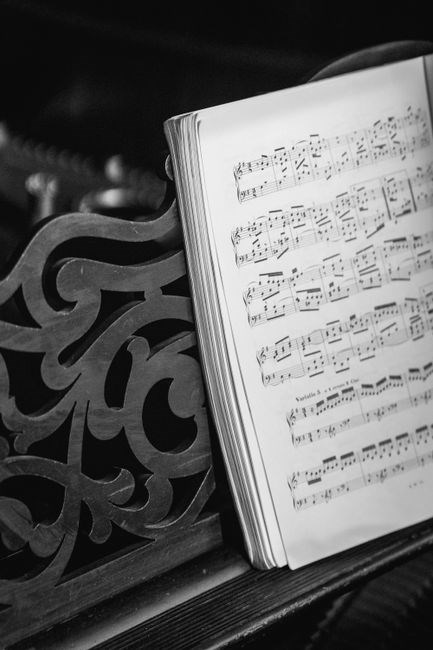
Types of Pianos and Their Impact on Learning
Grand pianos deliver richer tone and nuanced touch, enhancing expressive play, while upright pianos offer compactness and affordability, for limited spaces. Virtual keyboards replicate real feel, allowing consistent practice regardless of instrument type.
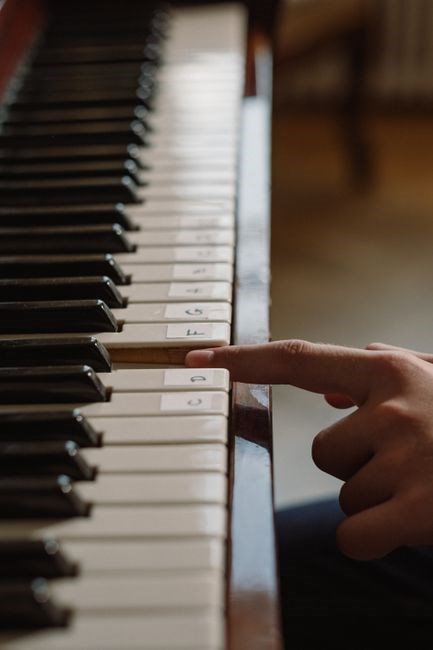
Grand Piano vs. Upright Piano: Choosing the Right Instrument
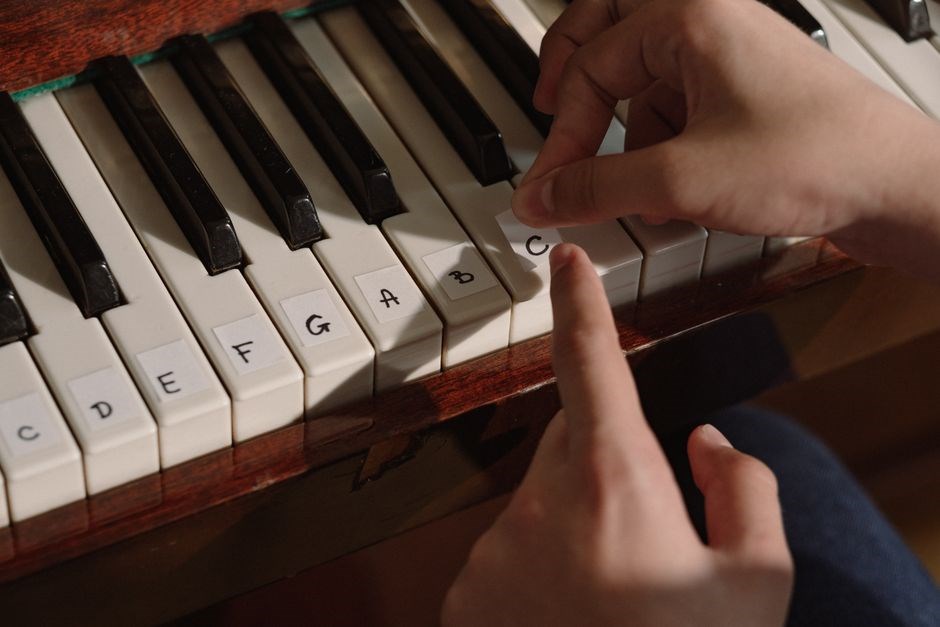
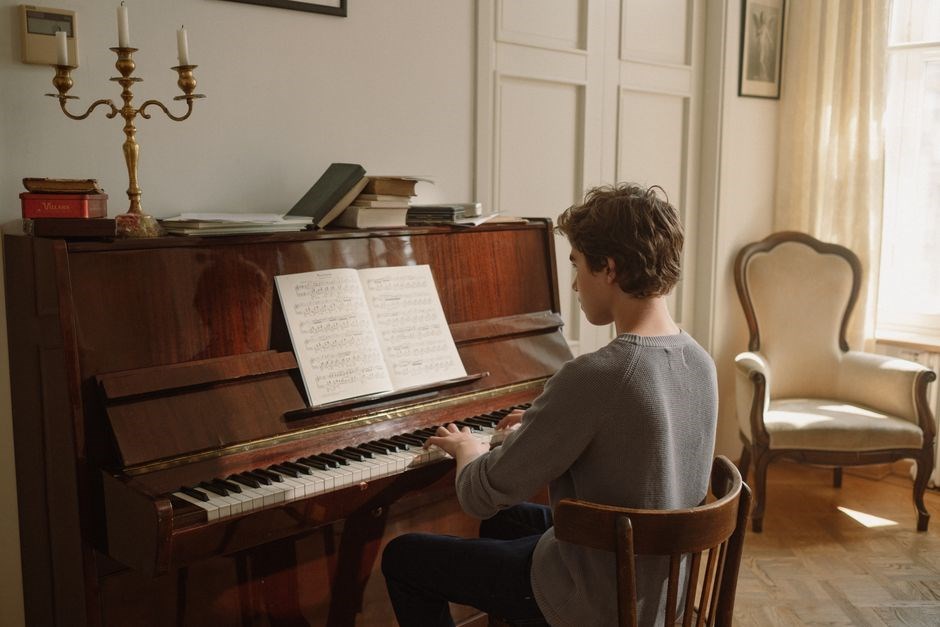
Choosing between a grand and an upright piano shapes a beginner’s learning journey. A grand piano, with its horizontal strings and larger soundboard, delivers richer tone and more precise key control. This depth of resonance helps students internalize dynamics, phrasing, and touch nuances, making it the preferred choice when space and budget allow. The expansive action of a grand also encourages a more natural hand position, fostering proper technique from the outset. In contrast, an upright piano’s vertical design makes it a practical option for smaller homes or studios. While its sound is slightly less resonant, the upright’s compact footprint and often lower cost make it accessible to many learners. Both instruments share the same keyboard layout, so the transition between them is seamless. For those who cannot invest in a full grand, an upright still offers a solid foundation, and many teachers recommend starting with either model before moving to a grand as skill and resources grow. Ultimately, the choice hinges on available space, budget, and the learner’s long‑term goals, but both instruments provide the essential framework for mastering piano fundamentals. Additionally, the tactile feel of a grand’s weighted keys can inspire a deeper connection to the music, while the upright’s lighter action may suit early stages of finger strength development. When evaluating options, consider the acoustics of your practice area, the durability of the instrument, and the potential for future upgrades. Regardless of the model, consistent practice, proper posture, and a supportive learning environment will yield the best results for any aspiring pianist!!
Using Virtual Pianos for Practice
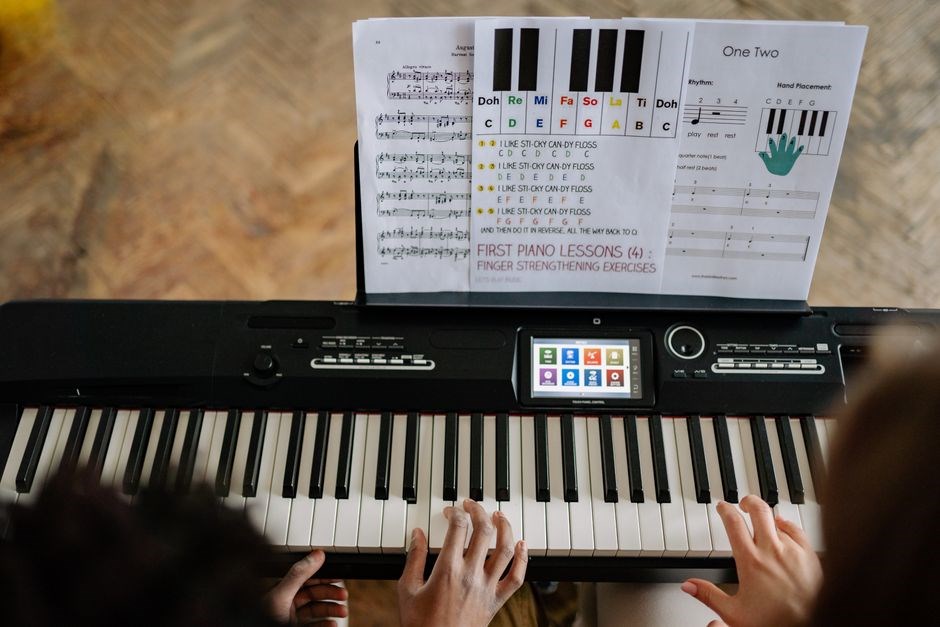
Virtual pianos have become indispensable for beginners who seek flexible, cost‑effective practice solutions. By leveraging web‑based keyboards, learners can access realistic instrument sounds without the need for a physical piano. Many platforms offer 61‑ or 88‑key interfaces that respond to computer keyboards, touch screens, or MIDI controllers, allowing students to experiment with dynamics, tempo, and articulation in real time. The integration of visual aids—such as highlighted keys, note names, and chord diagrams—enhances sight‑reading skills and reinforces theory concepts found in free PDF beginner books. Additionally, most virtual pianos include built‑in metronomes, loop‑back recording, and playback features, enabling students to monitor progress, identify timing issues, and refine technique. For those who prefer a more immersive experience, high‑fidelity audio engines simulate the resonance of grand or upright pianos, providing a sonic benchmark for developing touch sensitivity. Because these tools are accessible via browsers or lightweight apps, practice can occur anywhere—from a dorm room to a public space—without the constraints of a physical instrument’s size or maintenance. Moreover, the ability to share recordings instantly on social media or learning platforms encourages accountability and community feedback, which are vital for sustained improvement. In summary, virtual pianos complement traditional practice by offering convenience, interactivity, and a bridge between theory and performance, making them an essential resource for any beginner exploring piano fundamentals through free PDF books. Students can also adjust tempo and key signatures on the fly, tailoring practice to their evolving skill level.
Integrating Free PDF Books with Online Practice Tools
Combine free PDF beginner books with online tools: upload sheet music to virtual pianos, use built‑in metronomes, record sessions, and share via cloud. Realistic 61‑key keyboards let you practice dynamics, tempo, and chord progressions, while instant playback reinforces learning. Track progress with analytics!
Interactive Virtual Piano Platforms
Free PDF beginners can be paired with web‑based virtual keyboards that simulate realistic touch, key‑velocity, and pedal action. Most platforms load MIDI or image files directly, allowing instant playback of the sheet music. Users can adjust tempo, loop sections, and isolate individual voices, which is ideal for slow‑down practice. Many sites provide built‑in metronomes, chord‑recognition tools, and a “record” button that captures both audio and MIDI data. By uploading a PDF, learners can view the score while the virtual piano highlights the corresponding keys in real time, reinforcing muscle memory. Some platforms also support cloud storage, enabling students to save progress, share recordings, and receive feedback from teachers or peers. Integration with mobile devices means practice can happen on the go, with touch screens offering the same key‑response as a full‑size keyboard. These features create a seamless bridge between static sheet music and dynamic, interactive learning, making the transition from beginner to intermediate smoother and more engaging.
Recording and Sharing Your Practice Sessions
Free PDF beginner books can be paired with web‑based recording tools that capture both audio and MIDI. Most platforms allow you to record a practice session directly in the browser, then export the file as MP3, WAV, or MIDI for later review. By uploading the PDF score, the virtual piano highlights the current measure, while the recording feature logs finger positions and timing. This dual‑view approach helps students spot rhythmic inaccuracies and refine articulation. Once recorded, you can share the file via cloud links, embed it in a blog, or upload it to social media for instant feedback. Some services even provide automatic transcription, turning your performance into a new sheet version that you can print or annotate. Additionally, many platforms offer collaborative playlists where multiple users can comment on each other’s recordings, creating a community learning environment. The ability to revisit and compare sessions over time is invaluable for tracking progress and staying motivated.
Advanced platforms support real‑time collaboration, letting multiple users edit a shared score while recording their performances. Cloud storage keeps recordings accessible from any device, and version history lets you revert to earlier takes. Privacy settings allow you to keep sessions private or share them publicly on social networks, YouTube, or practice communities. Some tools offer analytics tracking tempo changes and note accuracy, turning raw recordings into day practice.
Legal Considerations for Downloading Free PDF Piano Books
Check the source’s license before downloading free PDF piano books. Prefer public‑domain or Creative‑Commons works, and avoid sites offering copyrighted material without permission. Use reputable libraries and stay within legal limits!!!
Ensuring Copyright Compliance and Safe Downloads
When downloading free PDF piano books, verify that the source is legitimate and that the material is truly in the public domain or released under a Creative‑Commons license. Reputable repositories such as IMSLP, Mutopia, or the Library of Congress provide thousands of scores that can be downloaded without legal risk. Avoid sites that offer copyrighted works without explicit permission, as these may expose you to copyright infringement claims. Always read the license terms displayed on the download page; if the text says “All rights reserved” or “Copyright ©”, the file is not free for public use. For additional safety, use a trusted web browser with built‑in malware protection and run a reputable antivirus scan on any downloaded file before opening it. Some sites host PDFs behind a download manager that injects tracking scripts; using a browser extension that blocks third‑party cookies can reduce privacy concerns. Finally, keep a record of the source URL and the date of download, which can serve as evidence of compliance if a dispute arises. By following these steps, you can confidently enjoy free piano books while respecting intellectual property rights and protecting your device from malicious content. By staying vigilant you protect your device from malware, uphold the integrity of the artistic community, and ensure that composers and publishers receive rightful recognition, thereby allowing future learners to access high‑quality, legally shared resources.!!